


Decisions under pressure
consequences simulated
what is steel porcupine
It models complex decision-making across politics, economics and media, allowing participants to explore trade-offs, unintended consequences and second and third order effects within a structured rules-based environment.
Real-world, real-time information and artificial intelligence are used to simulate how decisions cascade across interconnected systems.
Steel Porcupine™ is a geopolitical crisis simulation platform for universities.

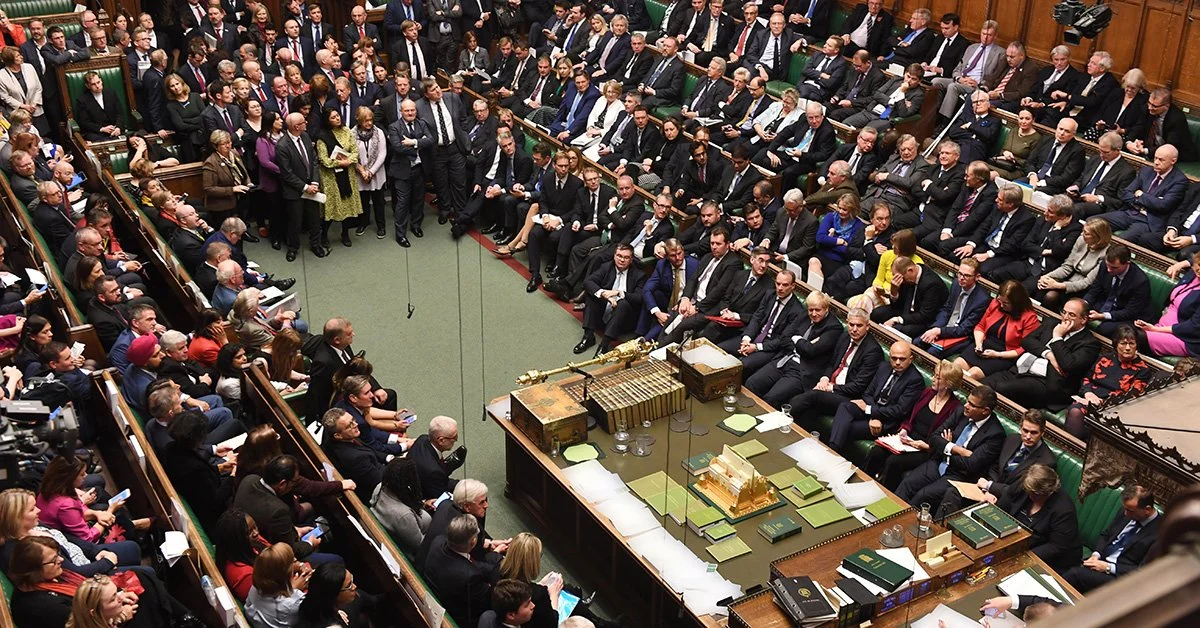
Contemporary political, economic, and security challenges are increasingly shaped by interconnected systems rather than isolated decisions. Policy choices in one domain routinely generate second and third-order effects across others, producing outcomes that are difficult to anticipate using linear models or static case studies.
However, much of Higher Education teaching remains anchored in approaches that prioritise retrospective analysis over dynamic decision-making. Lectures, fixed scenarios, and traditional simulations necessarily simplify complexity, freeze conditions in time, or require significant resources to update and facilitate. As a result, students are frequently trained to analyse outcomes rather than to navigate uncertainty, trade-offs, and unintended consequences as they emerge.
Steel Porcupine™ exists to bridge this gap — enabling institutions to teach systemic thinking through structured, repeatable simulations that reflect the complexity of real-world decision-making.
why it exists



at a glance
How it Runs
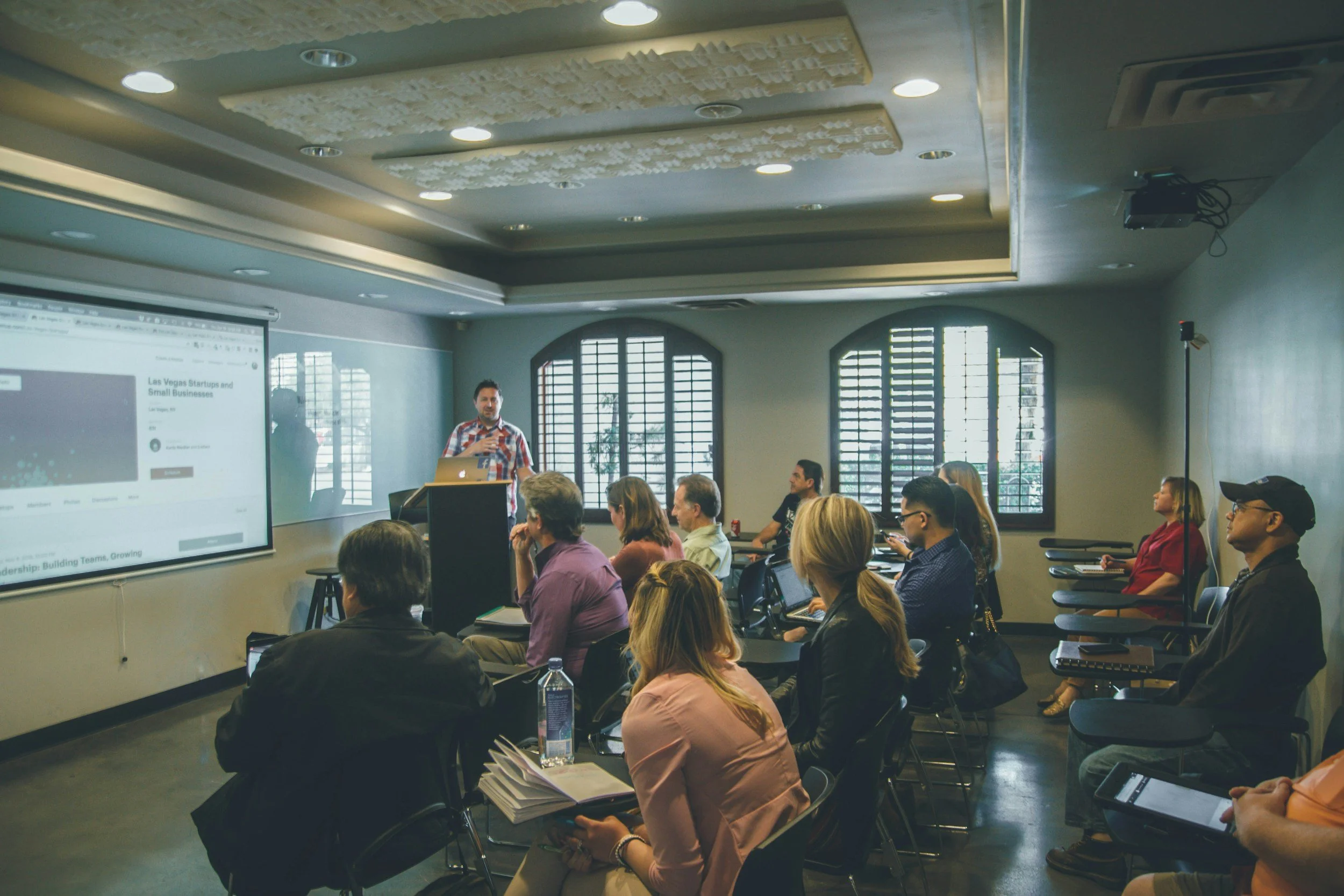
Steel Porcupine™ runs as a structured, facilitator-led simulation.
Briefing
Participants are assigned roles, objectives, and constraints. The facilitator sets the scenario context, rules of play, and time horizon.
Decision Cycles
In structured turns, participants debate options and make collective decisions across political, economic, and media domains.
System Response
The simulation engine processes decisions and generates consequences — including second- and third-order effects — informed by real-world data and AI-driven modelling.
Reflection & Debrief
Dashboards and logs track how outcomes emerged, supporting structured discussion, analysis, and learning.
Each run is repeatable but never identical, allowing facilitators to calibrate complexity while preserving realism.



what Makes it different
Most political and policy simulations rely on static scenarios, fixed branching paths, or facilitator judgement to determine outcomes. While valuable, these approaches struggle to capture the emergent, second and third-order effects that characterise real-world decision-making.
Steel Porcupine™ is built around a rules-driven simulation engine rather than scripted outcomes. Decisions are evaluated across multiple interacting domains — political, economic, media, and social — producing consequences that are consistent, traceable, and repeatable, yet never identical.
Unlike traditional role-play or case-based exercises:
Outcomes are not pre-written
Scenarios update in response to real-world conditions
Consequences propagate across systems, not single variables
This allows students to engage with trade-offs, unintended consequences, and systemic risk in a way that mirrors real policy environments, while preserving academic rigour and facilitator control.
Steel Porcupine™ sits between static teaching cases and high-cost bespoke simulations — offering fidelity without fragility, and complexity without chaos.
who is it for
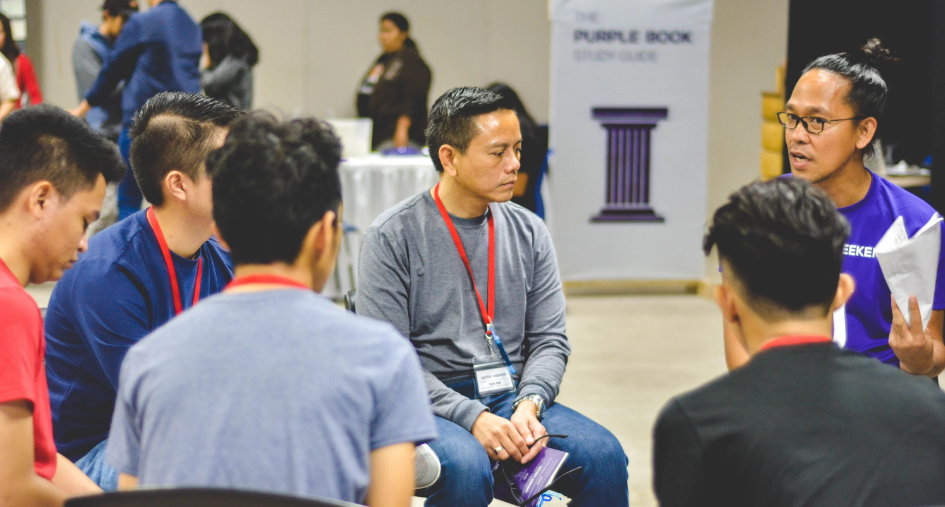
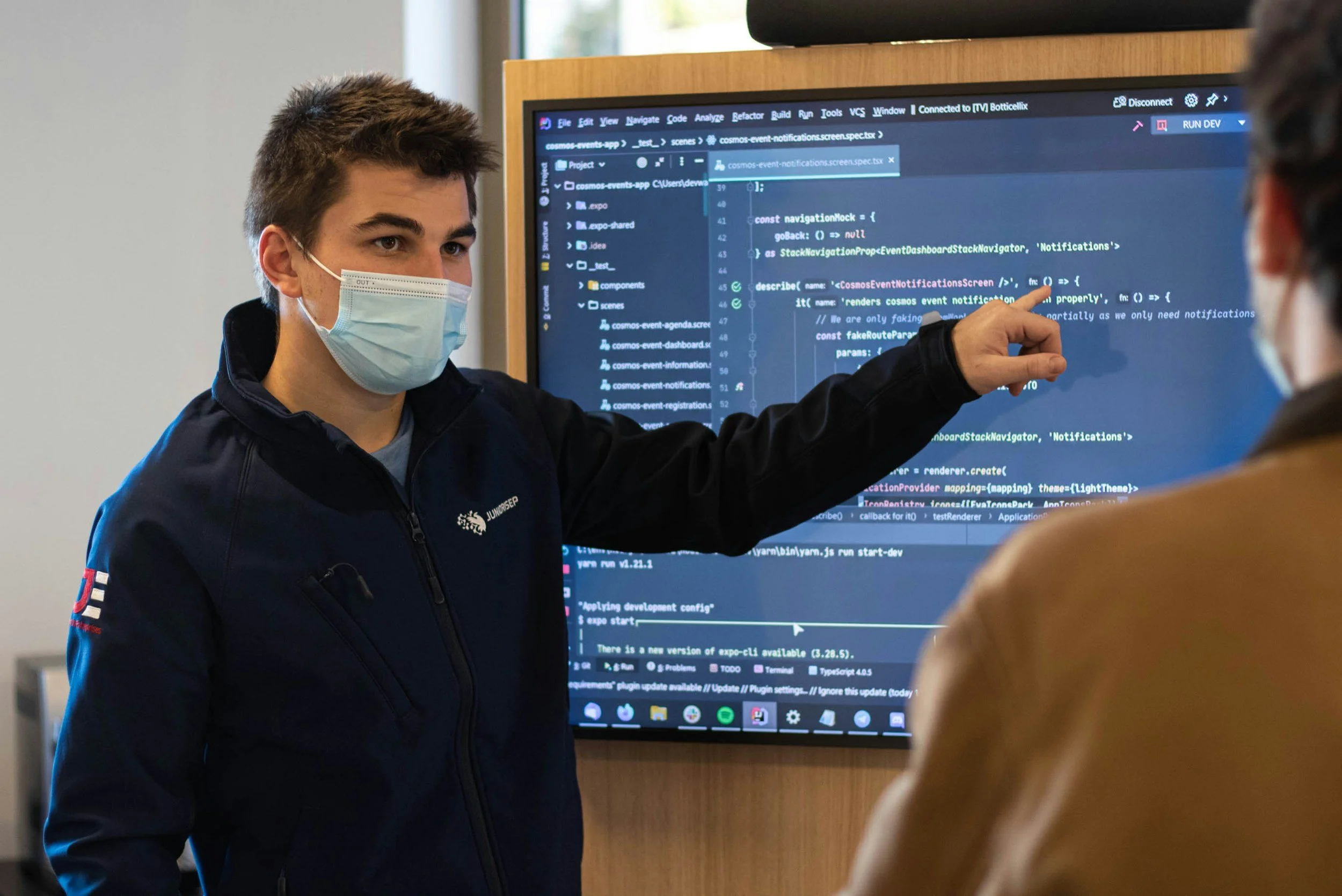
Steel Porcupine™ is built specifically for universities and higher-education institutions.
It is designed to support teaching and research in disciplines where students must grapple with complexity, uncertainty, and competing priorities — rather than linear problems with predefined answers.
Steel Porcupine™ is used in:
Politics and International Relations
Public Policy and Governance
Security Studies and Strategic Studies
Economics and Political Economy
Interdisciplinary and PPE-style programmes
It is suitable for undergraduate and postgraduate cohorts, seminars, workshops, and structured simulations embedded within degree programmes.
Steel Porcupine™ is institution-licensed and facilitator-led.
It is not a game, a role-play toolkit, or an individual learning app.


designed for academic use
Steel Porcupine™ has been developed specifically for higher-education teaching and research, with an emphasis on rigour, repeatability, and facilitator control.
The platform is designed to sit comfortably within established academic traditions, drawing on approaches from systems thinking, decision theory, and structured simulation used in policy analysis and strategic studies. It is intended to complement not replace lectures, seminars, and case-based teaching.
Steel Porcupine™ is institution-licensed, facilitator-led, and suitable for structured use within modules, workshops, and assessed teaching. Scenarios are designed to be repeatable, transparent in their logic, and robust under scrutiny, allowing outcomes to be discussed, challenged, and compared across cohorts.
The project is being introduced through pilot partnerships with UK universities, with a focus on refinement, academic feedback, and long-term integration rather than rapid commercial scaling.
next step
Steel Porcupine™ is available to universities through an introductory programme that includes:
An information pack outlining academic use and delivery
The option to participate in a facilitated pilot
Institutions may engage at any stage, depending on their teaching and planning needs.
To request an information pack, arrange a demo, or discuss a pilot, please get in touch.
Contact Us
Please get in touch if you would like an information pack, to try our demo or to register interest in the pilot. Or for any other questions, please ask!